
As responsibilities grow, the dynamics of power, influence, loyalty and competing interests change. Not everyone sees the same landscape. Not everyone has access to the same information. Not everyone pursues the same goals. What seems obvious from one position may look entirely different from another.

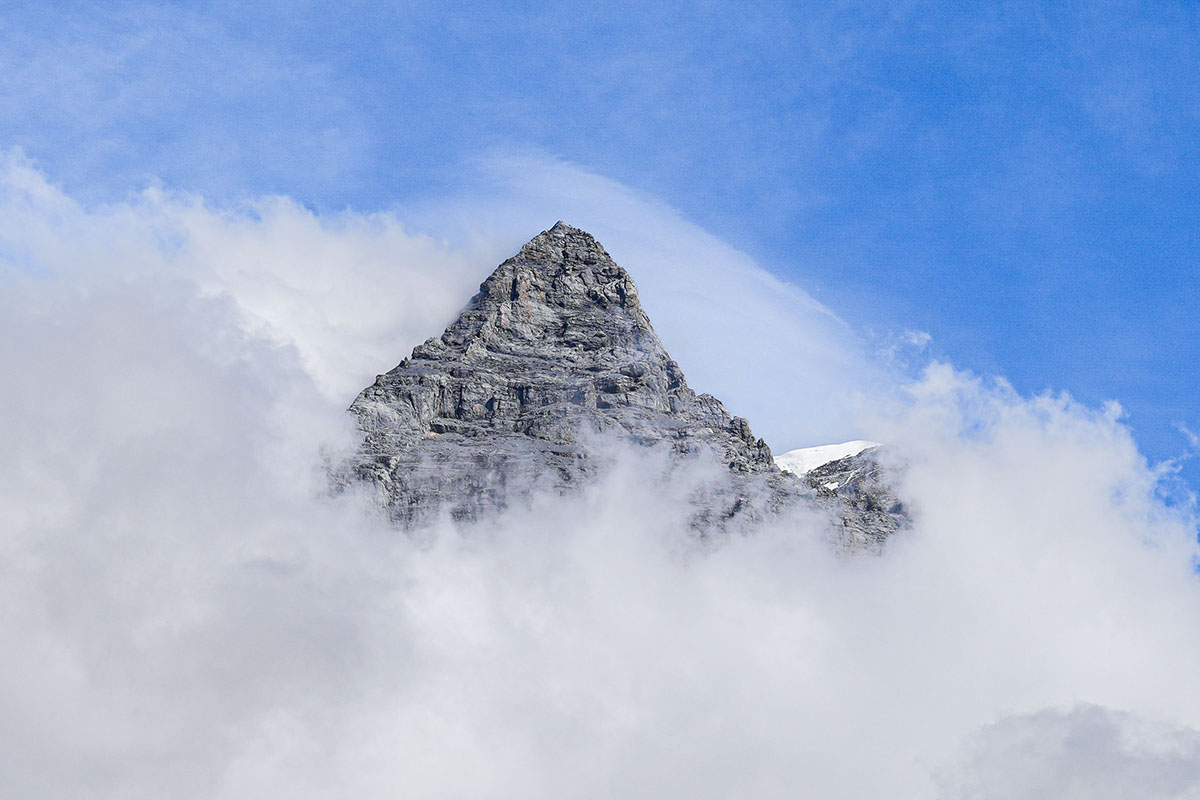
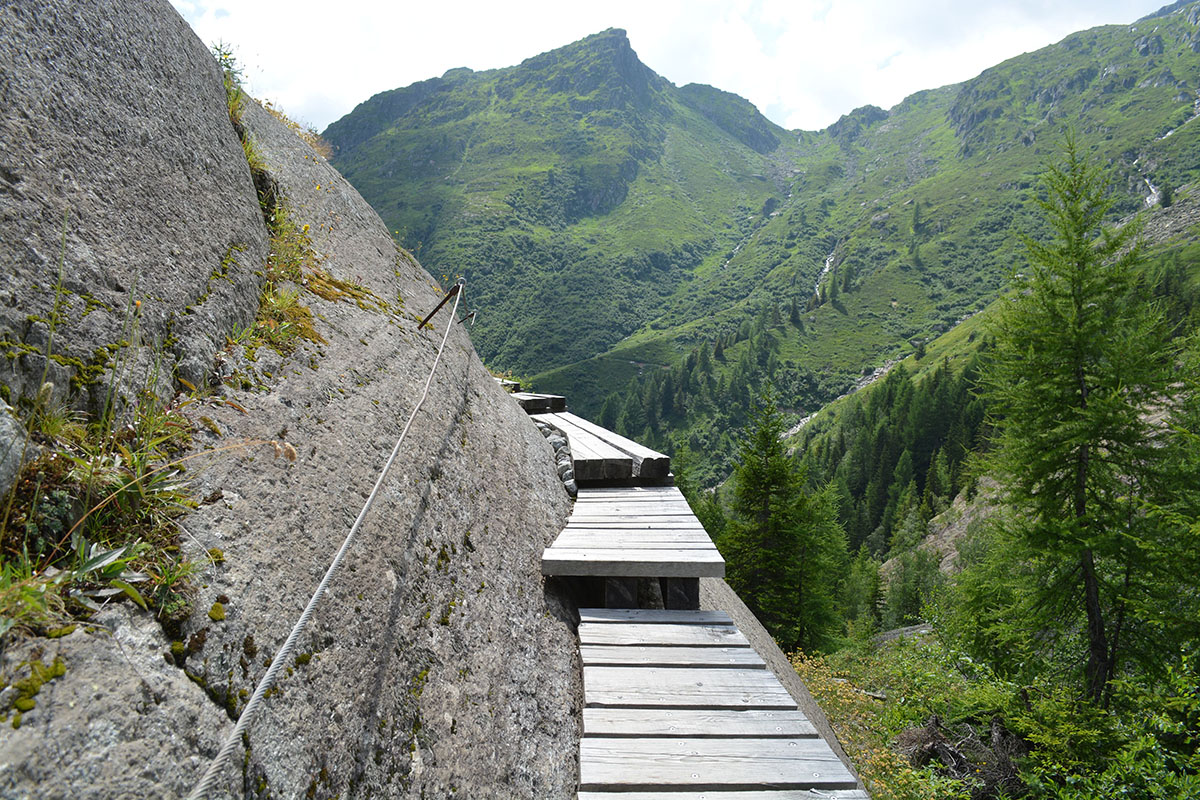
The higher we climb, the further we can see. Yet with altitude, conditions change. The air becomes thinner. Paths become narrower. Decisions carry greater consequences. The same is true in organisations. At the highest levels, leaders often find themselves navigating alone. Understanding leadership at this level requires one thing above all: the ability to see the bigger picture.
What Organisational Politics Really Means
These questions rarely appear on an organisational chart. Yet they determine how decisions are made, whose positions prevail and which changes become possible.
Sometimes, the essential question is therefore not simply what is right, but for whom it is right, and what consequences a particular decision will have for others.
Leadership becomes particularly demanding when every possible decision comes at a cost to someone.
How a Change of Perspective Improves Decisions
When we view a situation exclusively from our own position, we primarily see our own reality. A change of perspective does not alter the facts. It changes what we can recognise within them. And it may reveal facts we had previously overlooked.
→ What do others see?
→ What information am I missing?
→ Which interests lie behind a particular position?
→ What makes sense from another person's perspective?
→ What consequences might my decision have for people elsewhere in the system that I have not yet considered?
Changing perspective does not mean adopting every point of view.
It means expanding our own understanding to include what remains invisible from where we stand.
This enables decisions that make sense in principle while also taking account of the realities in which they must work.

The greater the responsibility, the more important it becomes to see the whole picture, including the people who view it from different positions.
Key Insights
Organisational politics emerges wherever different interests intersect.
Power is an unavoidable reality of leadership.
Loyalty can strengthen relationships while creating conflicting priorities. It can also become dangerous.
Every position offers its own perspective on reality.
A change of perspective reveals what remains hidden from our own position.
Good decisions take account of facts as well as the relationships, interests, needs and consequences surrounding them. They consider the whole picture.
“Complexity Follows Its Own Patterns.”
Let's Gain a Broader Perspective on Your Leadership.
Further Perspectives on Leadership
Understanding leadership means recognising connections and exercising sound judgement. Every professional relationship is unique. Yet certain questions arise time and again. These insights help reveal underlying dynamics and offer different perspectives on leadership.


